


I’d like to introduce a unique subtest we use in study aptitude assessments to measure planning and organizing capabilities—something our competitors don’t offer. This module is part of the GTEBS exam, where it has shown high predictive power for final grades. It is also used in the admission test of the German Academic Scholarship Foundation and the Bucerius Law School.
Originally, we developed this module for the Swiss Test for Medical Studies—a fitting choice, given Switzerland’s reputation for precision and organization. Some say the Swiss are “more German than the Germans” in their structured approach, and in this case, the stereotype aligned well with our test development.
How does it work?
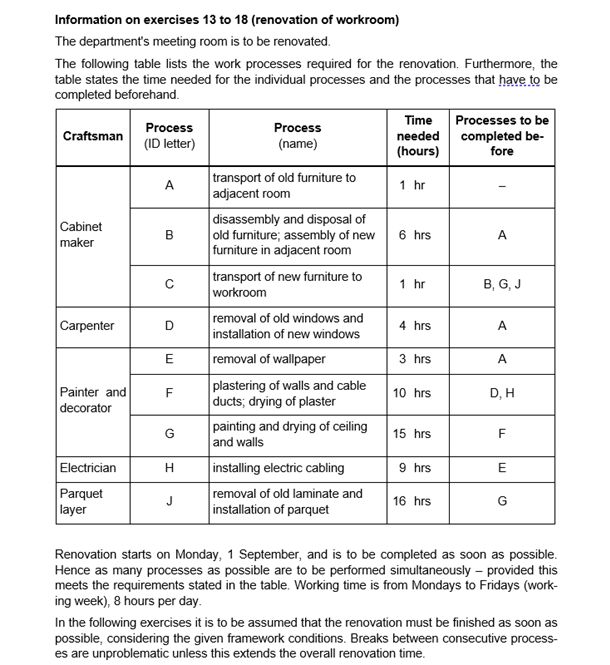
The module consists of independent scenarios, each forming the basis for multiple exercises. These scenarios present real-world planning challenges, such as:
- Coordinating an online meeting across different time zones
- Managing a multi-phase project, where tasks must be completed in a specific sequence
While the exercises may feel like fun puzzles, they provide valuable insight into key competencies for academic success.
Why does this matter?
Our research shows a strong correlation between performance in this module and academic success:
- Bachelor grades in Business Administration: r = .16–.25
- Final Master grades in Business Administration: r = .35–.45
These findings suggest that planning and organization skills become even more critical in graduate studies.
The Challenge of test development
Creating reliable planning tasks is not easy. I’ve attempted twice to design a six-item scenario but struggled to achieve strong item reliability (or, as a colleague put it, “The participants didn’t recognize the value of your scenario”!). One of the biggest difficulties is ensuring that items remain independent from each other while still assessing the same underlying competency.